Trade Routes: Inside the Indie Creator Collectives Quietly Building Their Own Economies
Photo: Ganesh Mohan T, CC BY-SA 4.0, via Wikimedia Commons
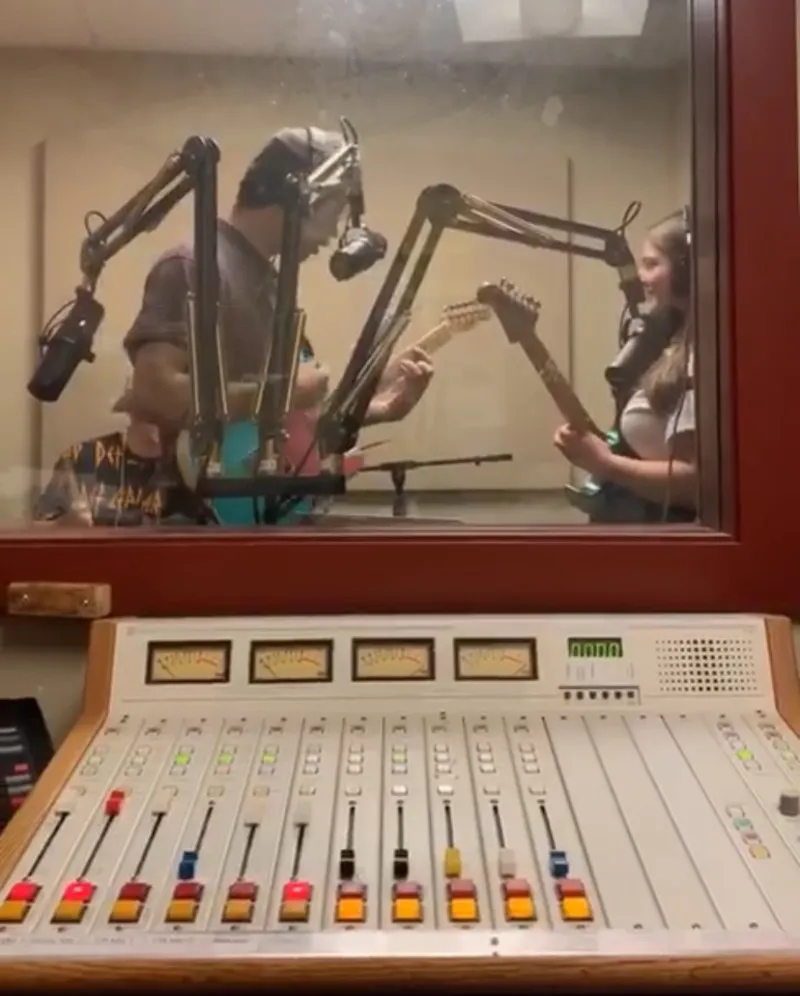
Somewhere in a group chat with forty-seven members, a musician in Nashville just agreed to master two tracks for a visual artist in Detroit in exchange for a hand-painted cover for his next EP. No money changed hands. No contracts were signed. A deal was made.
This is the new indie economy, and it's moving faster than most people realize.
While mainstream conversations about the music and arts industries tend to focus on streaming numbers, label signings, and which platform is ascendant this quarter, something quieter and arguably more interesting is happening at the edges. Independent creators — musicians, visual artists, writers, game designers, podcasters — are building lateral support systems that don't require institutional validation or corporate infrastructure to function.
They're trading skills, pooling resources, distributing each other's work, and in doing so, creating careers that look nothing like the ones the industry said were possible.
The Barter Layer Nobody Talks About
Barter economies among artists aren't new. What's new is the scale and the intentionality. Online communities — some public, many private — have become sophisticated clearinghouses for skill exchange among indie creators.
Cassidy Moore runs a Discord server for independent musicians that started as a place to share feedback on demos and has evolved into something more complex. "We have a whole channel just for trades," she explains. "Mixing, mastering, cover art, music videos, PR writing, social copy — people post what they need and what they can offer. It's pretty active."
The server has a few hundred members now, mostly bedroom producers and singer-songwriters across the US. Cassidy says the barter channel processes several trades a week. "Nobody's getting rich off it. But people are finishing albums they couldn't have afforded to finish otherwise. That's real."
This kind of micro-economy works because indie creators tend to have complementary skill sets. A musician who can mix is valuable to a visual artist who can't. A writer who does PR copy is valuable to a producer who can't articulate what their music sounds like in words. When money is tight — and for most independent creators, money is always tight — skill exchange lets people access professional-quality support without the professional-level price tag.
Collectives as Infrastructure
Beyond informal barter, more structured collectives are emerging that function almost like worker-owned cooperatives for creative work.
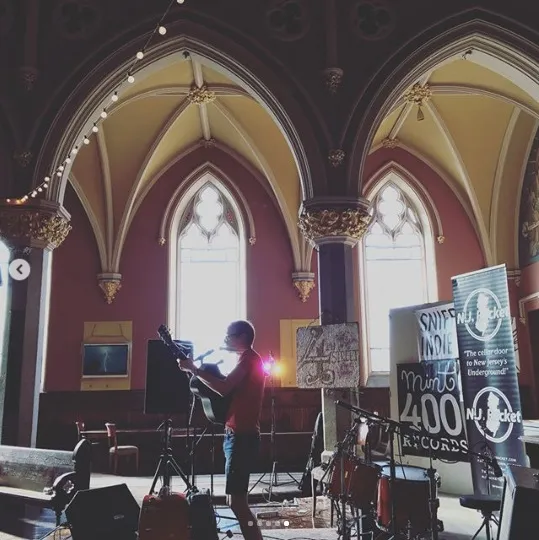
The Westside Frequency Collective in Los Angeles started as three friends sharing a rehearsal space. It's now a loose organization of about twenty musicians, producers, and visual artists who pool money for shared equipment, co-release music under a shared label imprint, and split the cost of things like PR campaigns and vinyl pressings.
"The label imprint was the big thing," says founding member Darius Cole. "Individually, none of us could afford to press vinyl and get it into stores. Collectively, we can. We take turns — whoever's releasing something gets the collective's resources behind it that quarter."
This rotating support model means each member gets a real push when it's their turn, rather than a perpetually underfunded solo effort. The collective also handles its own distribution through a combination of Bandcamp, direct mail, and relationships with independent record stores — no major distributor required.
The economics are modest but real. "We're not getting rich," Darius says, echoing Cassidy almost word for word. "But we're making music, pressing it on vinyl, getting it into stores, and building audiences. That's the career. That's what we wanted."
Game Jams and the Cross-Pollination Model
The indie game world figured some of this out early. Game jams — short collaborative events where small teams build games from scratch over a weekend or a week — have been a fixture of that community for years. What's interesting is how that model is bleeding into adjacent creative spaces.
Music jams, zine fests, and collaborative album projects are all borrowing the game jam format: a defined timeframe, a loose theme or constraint, a public showcase at the end. The output is almost secondary. The real product is the network.
Maria Voss, a Chicago-based illustrator who started participating in online zine jams during the pandemic, describes the effect: "You make something in a week with people you've never met. You promote it together. Then those people are in your corner for the next thing you do. The zine is almost just an excuse to build the relationship."
That relationship-first approach to creative collaboration is a direct inversion of how the traditional industry works, where relationships are gatekept by industry intermediaries and access is doled out competitively. In the peer-to-peer model, relationships are the whole point — and they're built through doing, not through pitching.
Underground Distribution and the End of Gatekeeping
Perhaps the most radical element of these emerging micro-economies is what's happening with distribution.
A loose network of independent musicians in the Southeast US has been running what they call a "tape ring" — a subscription-based cassette distribution system where members release limited runs of tapes that circulate through the network by mail. It's part zine library, part record club, part mutual aid project. Members pay a small monthly fee, get tapes in the mail, and can submit their own releases to the pool.
There's no label. There's no streaming. There's no algorithm deciding who hears what. There's just music moving through the mail between people who want to hear it.
"We have listeners in like thirty states now," says one of the organizers, who asked to remain anonymous. "Some of these artists have never been on Spotify. They don't want to be. They have a real audience who pays for their music and looks forward to getting it. That's a sustainable thing."
What Sustainability Actually Looks Like
None of these models are going to produce the next stadium-touring act or the next viral sensation. That's not the goal. The goal — stated or implicit — is sustainability on indie terms.
That means covering costs. Building a real audience, even a small one. Making the next project possible without burning out or selling out. For a growing number of creators, the peer-to-peer, collective, barter-based approach is delivering on that promise in ways that chasing algorithmic virality simply hasn't.
Cassidy Moore sums it up with a shrug: "I've been making music for ten years. I've had songs blow up a little and then disappear. I've had label interest that went nowhere. What's actually kept me going is the people in this server. The trades, the feedback, the shows we've booked each other on. That's the economy I live in."
It's not glamorous. It's not the version of the music industry that gets written about in the trades. But it's working — and it's being built, piece by piece, by the people who got tired of waiting for someone else to build it for them.