Streams Don't Pay Rent: Why Indie Musicians Are Walking Away From the Playlist Hustle
Photo: Karinandrew, Public domain, via Wikimedia Commons
Let's talk about the number $0.003.
That's roughly what Spotify pays per stream — depending on who's counting and how the royalties get split. So if you're an indie artist who just had what felt like a breakout month — 50,000 streams, a placement on a mid-tier playlist, your mom texting you that she heard your song in a coffee shop — you're looking at maybe $150 before your distributor takes their cut.
That's not a living. That's not even a car payment.
And yet for the better part of a decade, streaming metrics became the primary way independent musicians measured their own success. Playlist placements were the goal. Algorithmic favor was the dream. And a whole ecosystem of playlist pitching services, Spotify-for-Artists optimization tips, and "how to get on Discover Weekly" YouTube tutorials grew up around that dream.
Something is shifting, though. Quietly at first, and now loudly enough that you can feel it.
The Playlist Was Never the Destination
Here's what a lot of artists are realizing in retrospect: a stream is a passive interaction. Someone didn't seek you out. An algorithm decided you were statistically likely to fit between two other songs, and a listener who was half-paying attention while doing dishes heard thirty seconds of your work before the next track started.
That's not a fan. That's an impression.
The difference matters enormously when you're trying to build something sustainable. Fans buy merch. Fans show up to shows. Fans tell their friends. Fans stick around when you release something weird and experimental instead of jumping ship because the algorithm stopped serving them your content.
Streaming numbers, even impressive ones, don't reliably translate into any of those things. Artists who chased playlist placement hard often found themselves with decent monthly listener counts and almost no real community to show for it. The numbers looked good in a screenshot. The actual relationship with the audience was basically nonexistent.
The Economics Are Just Bad
It's worth dwelling on the math for a second, because the numbers are genuinely staggering in how unfavorable they are for independent artists.
To earn minimum wage from Spotify streams alone — roughly $15,000 a year in many US states — you'd need somewhere between 4 and 5 million streams annually. That's not a niche artist number. That's a reasonably successful mid-level act number. Most independent musicians, even ones with dedicated local followings and consistent release schedules, are nowhere near that.
Meanwhile, a single person buying your album on Bandcamp for $10 is worth more to you than roughly 3,000 streams. One fan showing up to a $20 show beats 6,000 Spotify plays. The comparison is almost absurd when you lay it out like that — and yet the cultural weight we put on streaming numbers versus these other metrics has been completely inverted.
The platforms benefit from this confusion. More streams mean more engagement on their platform, which means more data, more ad revenue, more subscription renewals. Your 50,000 streams helped Spotify's quarterly report. What did it do for yours?
What Artists Are Building Instead
The interesting thing about this shift isn't just that musicians are getting disillusioned with streaming. It's what they're building in its place.
Email lists are having a genuine moment. It sounds almost retro — newsletters? Really? — but the logic is airtight. An email list is an asset you own. Spotify can change its algorithm, TikTok can get banned, Instagram can tank your organic reach, and none of that affects your ability to send a message directly to the people who asked to hear from you. Artists who've been quietly building lists of 2,000 or 5,000 engaged subscribers are finding that those lists convert to ticket sales, merch purchases, and crowdfunding support at rates that no streaming metric comes close to matching.
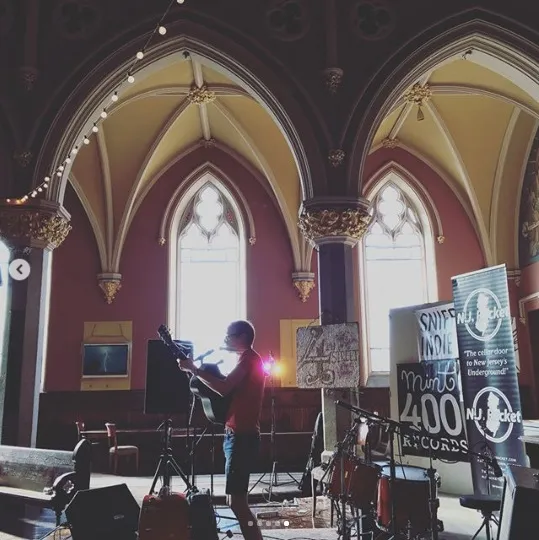
Discord communities are another piece of this. Several independent musicians have built small but intensely engaged communities around their work — places where fans can talk directly to the artist, get early access to demos, participate in the creative process. The intimacy of that kind of direct relationship is something a playlist can't manufacture.
Limited releases and direct sales are also making a comeback. Bandcamp Fridays, where the platform waives its revenue share, have become genuine cultural events for certain corners of the indie music world. Cassette runs of 100 copies that sell out in an hour. Vinyl pressings that get announced to an email list before they hit anywhere else. These aren't just revenue strategies — they're ways of making fans feel like insiders rather than passive consumers.
The Psychology of Algorithm Dependency
There's something worth naming about what the streaming era did to artists psychologically, not just economically.
When your success is mediated by an algorithm you can't see, can't understand, and can't directly influence, it creates a particular kind of anxiety. You start making decisions about your art based on what you think the algorithm might reward. Song length, release frequency, genre consistency — all of these become variables you're trying to optimize rather than creative choices you're making freely.
A lot of artists have described the experience of chasing Spotify metrics as fundamentally corrosive to their creative instincts. You stop making music for the listener — or for yourself — and start making music for a recommendation engine. That's a weird place to be.
The move toward direct audience relationships isn't just financially smarter. For a lot of independent musicians, it's also creatively liberating. When you're talking directly to the people who actually care about your work, you can take risks. You can be weird. You can release a 40-minute ambient piece or a country-rap concept album without worrying about whether it fits a playlist mood category.
This Isn't Anti-Streaming
To be clear: nobody's saying delete your Spotify profile. Streaming platforms are still a legitimate way to reach new listeners, and being present on them matters. The shift isn't about abandoning streaming — it's about deprioritizing it as the primary measure of success and the primary relationship with your audience.
Think of streaming as a top-of-funnel discovery tool, not the destination. Someone finds you on a playlist, they like what they hear, and then the question becomes: what's the path from that passive listener to someone who's actually in your corner? That path runs through your website, your email list, your Bandcamp page, your Discord — not through more streams.
The indie artists who are figuring this out aren't abandoning the music industry. They're building their own version of it, one direct relationship at a time. And honestly? That sounds a lot more sustainable than waiting for an algorithm to notice you.