If They Won't Let You In, Build Your Own Door
There's a particular kind of exhaustion that sets in after your third unanswered gallery submission email. Or your fifth venue inquiry that goes nowhere. Or the fifteenth time you're told your work is "interesting but not quite what we're looking for right now." A lot of independent artists know that feeling intimately. And a growing number of them have decided to stop feeling it altogether — not by finally cracking the code on institutional approval, but by building something the institutions can't gatekeep.
Across the country, indie creators are constructing their own infrastructure. Literally. We're talking converted warehouses in Detroit, pop-up gallery networks in Los Angeles, basement DIY venues in Philadelphia, and self-hosted digital platforms that don't answer to any algorithm or board of directors. The spaces look different depending on who's building them, but the impulse behind each one is the same: if the door won't open, pour a foundation and put up your own.
The Old Model Is Showing Its Age
For decades, the path for a serious visual artist or musician ran through established gatekeepers — galleries with waiting lists, labels with A&R departments, concert venues with booking agents who'd never heard of you. The assumption was that these institutions were the arbiters of quality, the validators that turned a hobbyist into a professional. Getting in meant you'd made it. Getting rejected meant you hadn't.
But that model was always more about access to capital and connections than it was about talent. The gallery on the right street in the right neighborhood could afford to be selective because artists needed them more than they needed artists. Same with labels, same with venues. The power dynamic was baked in.
What's shifted isn't just technology — though that's part of it. What's shifted is the collective patience indie creators are willing to extend to systems that were never designed with them in mind. A lot of artists have simply stopped waiting.
Walls You Actually Own
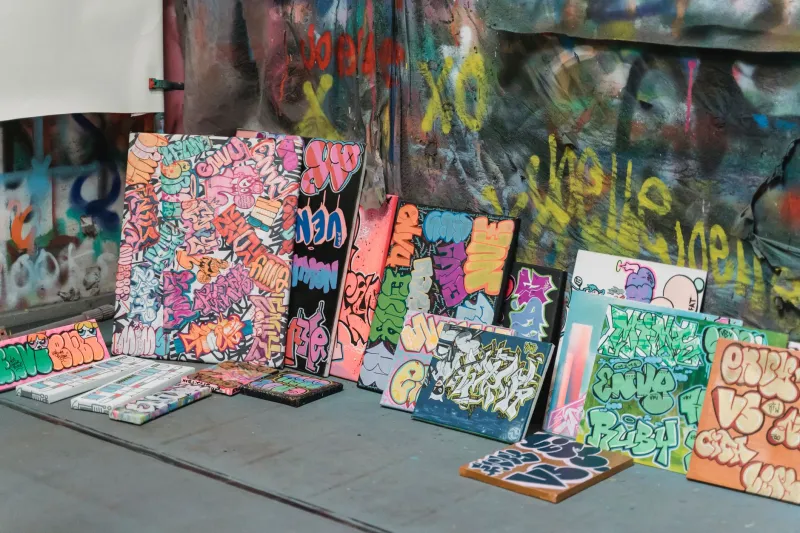
Pop-up galleries have been around long enough that they barely feel radical anymore, but what's happening now goes deeper than renting an empty storefront for a weekend. Artists are forming collectives that lease or purchase permanent space, rotating curatorial control among members and structuring the whole thing like a co-op rather than a traditional gallery. Nobody's taking a 50% commission. Nobody's telling you your piece needs to be smaller or less confrontational.
In cities like Chicago and Atlanta, these spaces have become genuine community anchors. They host openings, yes, but also workshops, zine fairs, printmaking sessions, and the kind of informal conversations that used to happen only if you were lucky enough to know someone on the inside. The wall space is almost secondary to the ecosystem growing around it.
For visual artists especially, owning or collectively controlling a physical venue changes the entire financial math. You're not splitting sales with a middleman who had final say on whether you got a show in the first place. You're building an audience that shows up because they trust the space, not because a prestige name told them to.
The Stage Is Wherever You Say It Is
On the music side, DIY venues have a long and occasionally legally complicated history in the US. But the current wave feels different in its intentionality. It's less about finding a basement that'll tolerate loud guitars and more about deliberately engineering spaces where independent musicians can perform, record, and connect without signing anything that hands control to someone else.
Some of these venues are incredibly modest — a backyard in Phoenix with a PA system and a mailing list, a rented rehearsal space in Brooklyn that opens its doors on Saturday nights. Others have grown into something more substantial: all-ages listening rooms in secondary markets like Boise or Richmond that have become essential stops for touring indie artists precisely because they operate outside the traditional booking infrastructure.
What makes these spaces work isn't production value. It's trust. The artists playing these venues know the person running the door. They know the cut they're getting is fair. They know the audience showed up because they actually wanted to be there, not because a Spotify playlist told them to.
Digital Rooms With Real Walls
Not every indie creator is hammering nails or booking sound equipment. A parallel version of this infrastructure-building is happening online, and it's just as deliberate. Artists are moving away from platforms that can change their terms, bury their content, or take a percentage of sales — and toward self-hosted solutions that put them in control of the relationship with their audience.
Personal websites with direct sales. Newsletter platforms that don't sell your subscriber data. Patreon-style membership setups that fund ongoing creative work without requiring virality. These aren't just practical choices — they're ideological ones. Owning your digital venue means no one can lock you out, demonetize you, or quietly adjust an algorithm that tanks your reach.
Some creators are going further, building what amount to small digital communities around their work — Discord servers, private forums, invite-only streaming events. The intimacy is the point. A smaller room where everyone chose to show up beats a massive platform where you're just another tile in an infinite scroll.
What You Build, You Keep
There's a version of this conversation that's purely pragmatic — owning your venue means better margins, more control, less dependency on institutions that might not survive the next economic cycle. All of that is true and worth paying attention to.
But there's something else going on too, something that's harder to quantify. When you build the space yourself, the work that happens inside it carries a different weight. It wasn't curated by someone with a different agenda. It wasn't booked because it fit a format. It exists because the person who made it decided it was worth building a room for.
That's not a small thing. For a lot of independent artists, the act of constructing their own stage or gallery wall is the first time they've felt like the creative process actually belongs to them end to end. Not just the making, but the showing. Not just the music, but the room where it lands.
The gatekeepers are still out there, still deciding who gets in and who doesn't. But more and more, the most interesting work isn't happening behind their doors. It's happening in the spaces indie creators built when they stopped knocking.