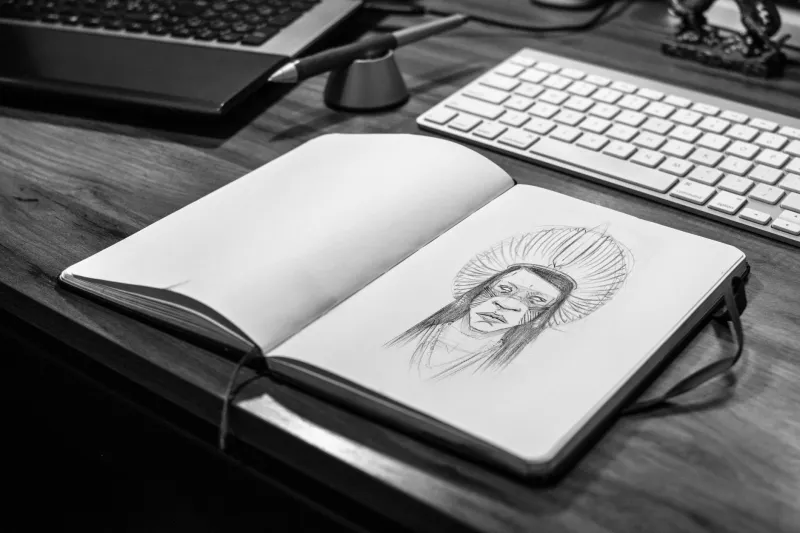
They Left the Door Open and Indie Creators Walked Right In
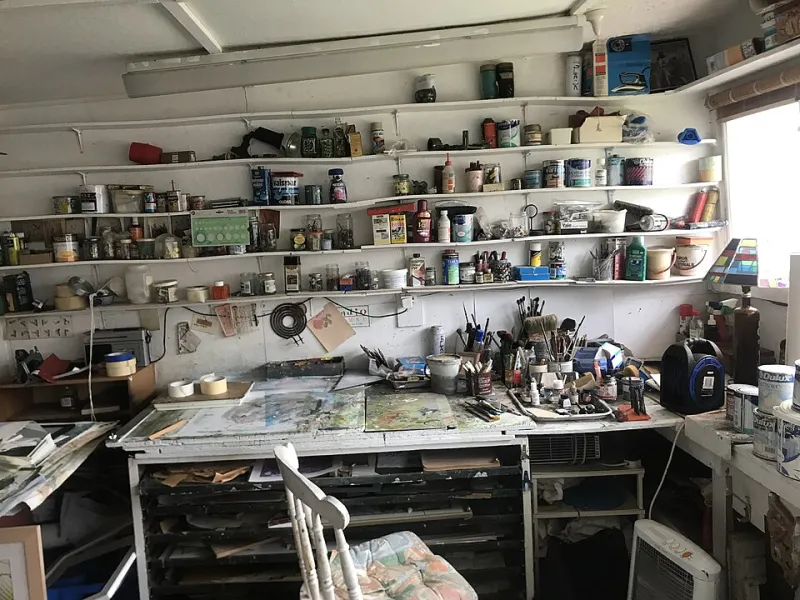
Photo: Pengu1ngaynor, CC BY-SA 4.0, via Wikimedia Commons
Somewhere around the mid-2000s, a quiet abandonment started happening. Not dramatic, not announced with a press release — just a slow, steady retreat. Major publishers stopped greenlit projects that felt too niche. Big studios passed on stories that didn't test well with the broadest possible demographic. Radio conglomerates homogenized playlists until every market sounded like the same three songs on rotation. Legacy media didn't collapse. It just got lazy. And in the gaps it left behind, something genuinely interesting started growing.
Independent creators — artists, musicians, comic writers, podcasters, zine makers, bedroom producers — moved into those abandoned spaces like they owned them. Because, eventually, they did.
The Niche That Legacy Media Couldn't Be Bothered With
Here's the thing about major media institutions: they're built to serve the middle. The broadest possible audience, the most universal story, the safest cultural bet. That math made sense when distribution was expensive and shelf space was limited. But it also meant that enormous swaths of American culture got left on the cutting room floor.
Think about the decades-long drought of authentic working-class stories in mainstream publishing. Or the near-total absence of rural American perspectives in prestige television. Or the way that entire musical traditions — regional hip-hop scenes, experimental electronic music, contemporary folk — got dismissed as unmarketable while millions of people were actively hungry for exactly that content.
Indie creators didn't need a boardroom to tell them those audiences existed. They were those audiences. So they made the work themselves.
Take the explosion of independent comics over the last fifteen years. While the Big Two kept cycling through superhero reboots and crossover events, small press publishers and self-publishing artists were telling stories about immigration, mental health, queerness, grief, and the specific texture of American life in ways that felt genuinely alive. Books like those coming out of Drawn & Quarterly, Fantagraphics, or straight off an artist's Gumroad page weren't just filling a gap — they were redefining what the medium could do. Readers noticed. Sales followed.
Music's Version of the Same Story
The music industry's version of this abandonment is almost too obvious to restate, but it's worth saying plainly: major labels spent years consolidating, cutting rosters, and chasing streaming numbers in ways that prioritized catalog over discovery. Regional sounds got flattened. Experimental artists got dropped. Entire genres that didn't fit neatly into algorithmic playlist categories got treated like they didn't exist.
Bedroom producers in cities like Detroit, Richmond, and Albuquerque built audiences anyway — through Bandcamp pages, local shows, community radio, and word of mouth that traveled faster than any label's marketing budget. The hyperpop wave, the ambient revival, the resurgence of lo-fi aesthetics — none of that came from a label strategy session. It came from independent artists making exactly what they wanted to make and finding the people who'd been waiting for it.
What's remarkable isn't just that these creators found audiences. It's that those audiences became deeply loyal in ways that major label fandoms rarely are. When you discover something through genuine community rather than a marketing campaign, you feel ownership over it. You tell your friends. You show up to the shows. You buy the vinyl even when streaming is free.
The Trust Problem Legacy Media Can't Buy Its Way Out Of
Here's where it gets complicated for the institutions that are now scrambling to recapture what they gave away. Legacy media has a trust problem that money alone can't fix.
When a major publisher suddenly announces a line of books aimed at audiences they ignored for two decades, those audiences notice the timing. When a streaming platform greenlit ten shows targeting underserved demographics all in the same fiscal quarter, it reads less like genuine interest and more like market research. The independent creators who've been serving those communities for years have something that no acquisition budget can replicate: credibility built through actual presence.
A zine artist who's been documenting their city's punk scene for eight years has a relationship with that community. A podcast hosted by two Black women talking about horror films since 2017 has an audience that trusts them because they've been there, consistently, without a network safety net. That kind of trust is slow to build and fast to destroy — and legacy institutions have already spent a lot of it.
Some major players are trying to buy their way back in by acquiring independent creators, signing them to deals, or launching imprints designed to feel grassroots. Sometimes it works. More often, it produces a sanitized version of the thing that made the original compelling, and the community that built around it drifts away.
What Indie Creators Actually Built
It's worth stepping back and appreciating the scale of what's happened here. Independent creators didn't just fill a content gap. They built an entirely parallel infrastructure — distribution networks, critical ecosystems, funding models, community platforms — that operates largely outside of traditional media's orbit.
Patreon, Substack, Bandcamp, Ko-fi, itch.io, and a dozen other platforms exist specifically because creators needed ways to connect with audiences and get paid without a gatekeeper in the middle. Independent comics fairs like CAKE in Chicago or the LA Zine Fest draw thousands of attendees who are there specifically because they want something the mainstream doesn't offer. Cassette labels and micro-run vinyl pressings have turned into legitimate cultural markers for music communities that value intentionality over scale.
This infrastructure didn't appear overnight. It was built piece by piece by people who were tired of waiting for permission and decided to create the systems they needed. That's not a small thing. That's a generational shift in how culture gets made and distributed in America.
Can the Gatekeepers Get Back What They Gave Away?
Honestly? Some of it, maybe. The legacy institutions that are paying attention — the ones genuinely investing in underserved voices rather than just gesturing at them — have a chance to be part of a broader cultural ecosystem rather than sitting at the center of it. That's a real shift in power and it requires a real shift in mindset.
But the audiences that indie creators built? Those belong to the creators. The trust, the community, the cultural vocabulary that's developed around independent work over the last two decades — that's not something a studio can acquire in a deal. It lives in the relationship between a creator and the people who showed up for them before anyone else was paying attention.
Legacy media left the door open. Indie creators didn't just walk through it — they remodeled the whole house. And whether the old gatekeepers want to admit it or not, the address has changed.