Rough Edges Welcome: How Indie Creators Turned Imperfection Into Their Most Powerful Statement
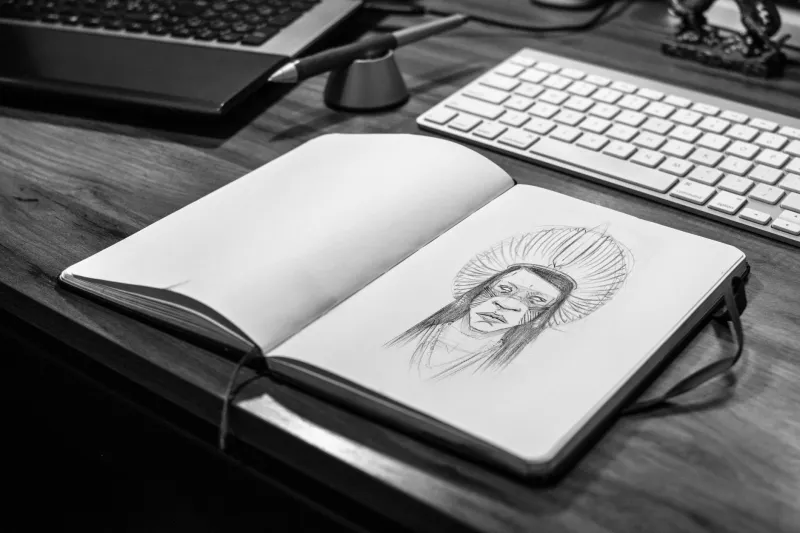
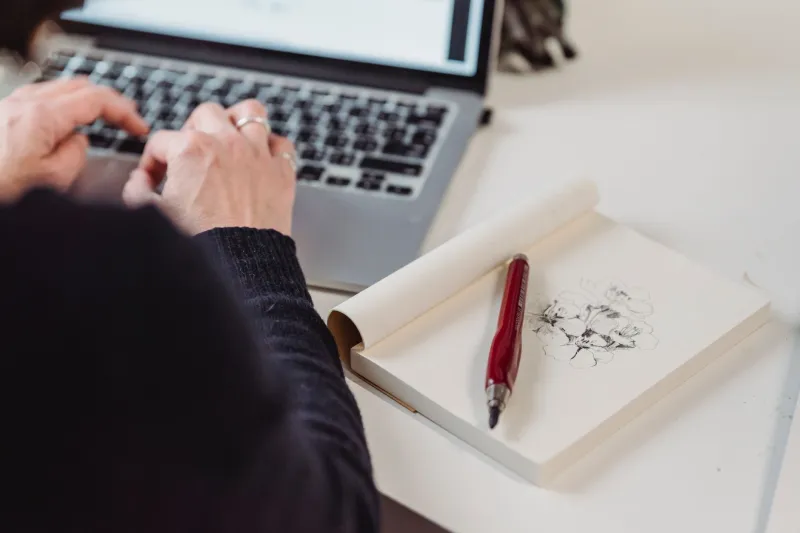
There's a sketchbook page making the rounds on social media right now. Smudged pencil lines, a figure that got redrawn four times, handwritten notes in the margins that say things like "wrong, try again" and "maybe???" It's not polished. It's not even technically finished. And it has more engagement than most of the slick, fully-rendered pieces that the same artist posts.
That's not an accident.
Across every corner of the independent creative world — visual art, music, comics, fiction — something is shifting. Creators are deliberately letting the seams show. They're posting the rough draft before the final version, sharing the voice memo before the studio cut, publishing the chapter with the placeholder scene still in it. And instead of turning audiences away, it's pulling them closer.
The Backlash Against the Perfect Feed
To understand why messiness is having a moment, you have to understand what it's reacting against. For the better part of a decade, the dominant aesthetic online has been relentlessly polished. Perfectly lit flat lays. Flawlessly mixed tracks. Comics with zero line wobble and color that looks like it came out of a Pantone catalog. The message, spoken or not, was always: you should only share your best.
But "best" started to feel less like quality and more like performance. Audiences — especially younger ones — got really good at detecting when something was manufactured to look authentic without actually being vulnerable. The carefully curated "behind the scenes" post that's been staged three times. The "raw" acoustic version that's been pitch-corrected. The "rough" sketch that's clearly a finished illustration dressed down with a texture filter.
Independent creators noticed the fatigue. And a lot of them decided to just... stop pretending.
What "Showing the Seams" Actually Looks Like
It takes different forms depending on the medium, but the throughline is the same: you're letting people see the process, including the parts that don't flatter you.
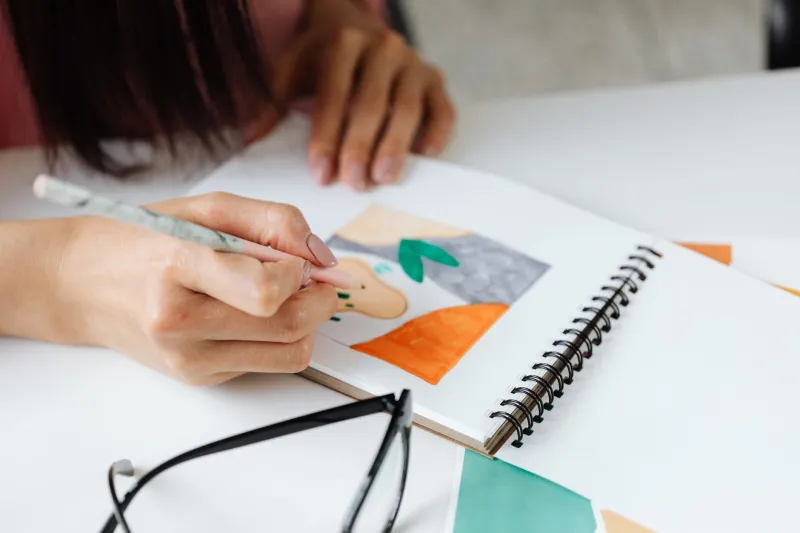
For visual artists and comics creators, it might mean posting in-progress panels alongside the final version — or sometimes instead of the final version. Some illustrators have built entire followings around sketchbook content that never gets cleaned up. The anatomy is off. The proportions shift between pages. That's the whole point. You're watching someone think out loud on paper.
For musicians, it often sounds like a voice memo recorded on a phone at 2 a.m., ambient noise and all. No compression, no reverb, no mastering. Just an idea in its most fragile state. Some bedroom producers are going even further, releasing "demo versions" as the primary release — treating the polished version, if it ever comes, as the bonus content.
For writers and storytellers, it can mean sharing first drafts with visible track changes, posting chapters with author's notes that say "I'm not sure this scene works yet," or even publishing stories that don't have endings because the creator genuinely hasn't figured out where they're going.
Why Audiences Are Actually Into This
Here's what's interesting: the appeal isn't just novelty. It's not that people are impressed by imperfection the way you'd be impressed by a party trick. It's something deeper.
When you see a creator's rough work, you're not just seeing the output — you're seeing the thinking. The false starts. The moments of doubt. The decisions that got made and then unmade. For a lot of people who make things themselves, or who want to make things but feel paralyzed by the gap between their taste and their current skill level, that's genuinely useful and genuinely moving.
There's also a trust factor. If a creator is willing to show you the mess, you tend to believe them more when they show you the good stuff. The vulnerability creates credibility. It signals that the work is real, that the person behind it is real, and that what you're seeing isn't a carefully managed brand impression.
Contrast that with the indie creator who only posts finished, perfect work with no context. Technically impressive, maybe. But it can feel like a closed door. There's nowhere to enter.
The Risk Nobody Talks About
All that said, deliberately publishing unfinished work isn't without its complications. There's a version of this that slides into something less honest — using the aesthetic of messiness as a new kind of performance. The artist who carefully stages their "chaotic" desk. The musician whose lo-fi track has been meticulously engineered to sound accidental. The writer whose "rough draft" has clearly been edited to death.
Creators who are doing this authentically tend to have a pretty clear internal compass about the difference. The question isn't does this look unfinished? It's am I sharing something real about where I am in this process? Those are two very different things, and audiences — especially the devoted, long-term kind — can usually tell.
There's also the question of what you're actually putting out into the world. Some creators set clear expectations: "this is a work in progress, I'll update it." Others are comfortable letting rough work stand on its own, no asterisk required. Neither approach is wrong, but being intentional about it matters.
The Corporate World Can't Buy This
Here's the thing that makes the messy aesthetic genuinely powerful for independent creators specifically: it's almost impossible for big brands and corporate content machines to replicate authentically.
A major label can release a "raw" acoustic session, but everyone knows it went through seventeen approval layers before it hit Spotify. A big comics publisher can do a "behind the scenes" look at their process, but it's going to be carefully produced and legally reviewed. The infrastructure of large-scale commercial creative work is fundamentally incompatible with genuine, unmediated messiness.
Independent creators don't have that problem. Or rather, they have the opposite: the freedom to be genuinely unfiltered is built into their situation. No A&R rep to satisfy. No brand guidelines to follow. No marketing team signing off on what goes public. The chaos is available to them in a way it simply isn't available to anyone operating inside a larger machine.
That's a real competitive advantage, and the indie creators leaning into rough, unfinished work seem to understand that instinctively.
Done Is Better Than Perfect, Messy Is Better Than Fake
There's an old saying in creative circles: done is better than perfect. What the current wave of indie creators seems to be adding to that is something like: and real is better than polished.
It's not anti-craft. The creators who are most compelling in this space still care deeply about what they're making. They're not using messiness as an excuse to be lazy or to skip the hard work of developing their skills. They're using it as a tool — a way of communicating that the work is alive, that it's in motion, that it belongs to a real human being who's figuring things out in real time.
And in a creative landscape that's increasingly saturated with content engineered to perform rather than connect, that might be the most radical thing you can do.