No Permission Needed: How Indie Creators Built a Whole Ecosystem From Scratch
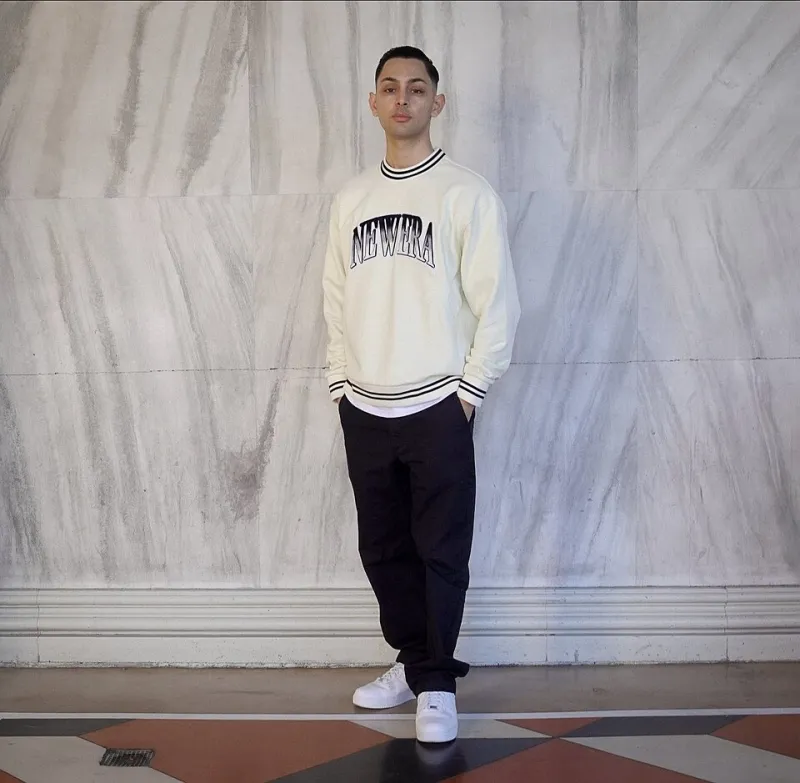
Photo: AC Oceanside2026, CC BY-SA 4.0, via Wikimedia Commons
There used to be a very specific path. You made something — a comic, a zine, a record, a novel — and then you handed it to someone with more power than you and waited. You waited for an editor to say yes. A label to sign you. A distributor to stock your shelves. A critic with a column to tell readers whether your work mattered. The whole system was built around that waiting, and most of the time, the answer was no.
That system isn't dead exactly. But for a growing wave of independent creators across the US, it's just... irrelevant.
Building the Whole Thing Yourself
What's happening right now in indie creative communities isn't just about making stuff outside the mainstream. It's about constructing an entirely parallel infrastructure — distribution, funding, validation, criticism — piece by piece, without asking for anyone's blessing.
Take the self-publishing boom. Platforms like Gumroad, Itch.io, and even Shopify storefronts have made it genuinely straightforward for artists and writers to move their work directly to the people who want it. No middleman taking a 60% cut. No distributor deciding your zine doesn't have enough commercial appeal. A cartoonist in Columbus can sell a limited-run risograph comic to someone in Portland without ever touching a traditional publishing pipeline. That's not a workaround anymore — it's a strategy.
And it's not just about selling. It's about owning the relationship with your audience in a way that legacy institutions never actually offered creators in the first place.
Funding That Comes From the Community, Not the Industry
Here's where things get genuinely interesting. The old model of creative funding — grants, advances, label budgets — was always a negotiation with power. You pitched your vision and someone with money decided if it fit their agenda. The new model flips that entirely.
Crowdfunding through Kickstarter and Indiegogo has been around long enough to feel almost traditional at this point. But the real evolution is in subscription-based support through platforms like Patreon and Substack, where creators build ongoing financial relationships with their communities rather than chasing one-time windfalls. A cartoonist running a Patreon with 800 subscribers at $5 a month isn't rich, but they're sustainable — and they're answerable to their readers, not a publisher's quarterly projections.
What's emerged from this is something closer to a patronage model than anything the modern creative industry had previously offered. The audience becomes a stakeholder. They fund the work because they believe in it, and in return they get access, process, community. It's messier than a clean advance check, but it's also more honest about what creative work actually is: a relationship.
The Critics Are the Community Now
This one's a little harder to wrap your head around, but stick with it. Traditional criticism — the kind that ran in newspapers and glossy magazines and carried institutional weight — served a gatekeeping function whether critics wanted to admit it or not. A bad review in the right publication could kill a book's momentum. A rave could make a career. The power wasn't just in the opinion; it was in the platform.
That platform monopoly is gone. Independent review spaces — newsletters, Discord servers, niche podcasts, Letterboxd-style community boards, Substack publications with devoted readerships — have collectively eaten a huge chunk of that critical authority. And the interesting thing is, the criticism happening in these spaces is often better. More specific. More invested. Written by people who actually care deeply about the genre or medium or community they're writing about, rather than generalists filing copy on deadline.
Creators in indie comics especially have felt this shift. The conversation about new work happens on social media, in reader communities, in small-press-focused newsletters that have become genuine tastemakers within their niches. Getting a shoutout from the right indie comics newsletter can move more copies than a review in a legacy publication that's been steadily losing its audience for a decade.
The Infrastructure Is Still Being Built
None of this is fully figured out, and it would be dishonest to pretend otherwise. Self-publishing means you're also doing your own marketing, customer service, fulfillment, and accounting. Community funding is real but precarious — subscriber counts fluctuate, platforms change their terms, and the emotional labor of maintaining an engaged audience is significant and often underestimated. Independent criticism is vibrant but fragmented, which means discoverability is still a genuine challenge for creators who haven't already built an audience.
The gatekeepers being gone doesn't mean the barriers are gone. It means the barriers are different now, and in some ways more invisible, which makes them harder to navigate.
But here's what's changed fundamentally: the infrastructure that used to exist only within institutions is being rebuilt, piece by piece, by the creators themselves. Distribution tools. Community funding rails. Critical ecosystems. Even things like rights management and licensing are starting to have indie-friendly solutions that didn't exist ten years ago.
What This Actually Means for Creative Culture
The downstream effects of all this are still unfolding, but a few things are already clear. Creative work is becoming more niche and more specific, which is genuinely great if you're the kind of person who makes or consumes work that never fit the mainstream mold. The economics are more fragile but also more direct — a creator lives or dies by whether actual humans value their work, not by whether a corporate acquisitions team thinks it can be scaled.
And the gatekeeping function — deciding what gets made, what gets seen, what gets validated — is being distributed across communities in ways that are chaotic and democratic and sometimes frustrating and honestly kind of exciting.
The old institutions aren't completely gone. Some of them will adapt. Some will become niche players in a much larger ecosystem. But the idea that you need their permission to build something real, reach an audience, and sustain a creative practice? That idea is done. The creators who've already figured that out aren't waiting around for anyone to catch up.