Who Needs a Handler? Indie Creators Are Running Their Own Show Now
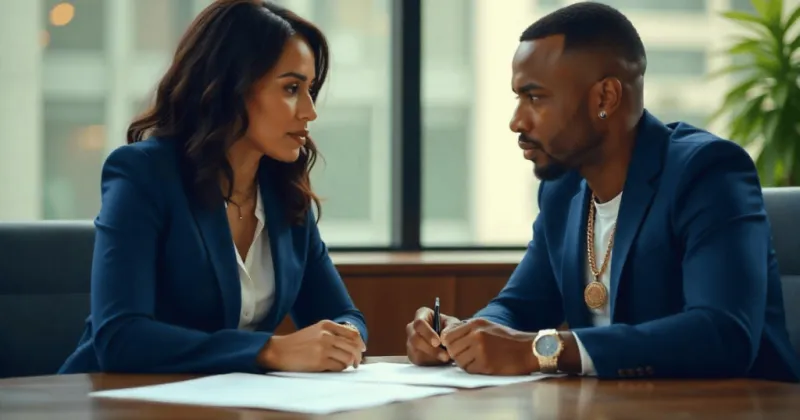
Photo: independent musician negotiating contract at desk without agent, via beatstorapon.com
There was a time when the path was pretty clear: make something, find someone to represent you, and let them open the doors you couldn't reach yourself. Agents, managers, publicists, booking representatives — the whole apparatus existed because the industry was complicated, gatekept, and frankly hostile to anyone who didn't already know somebody. That system made sense once. But a growing number of independent creators are looking at it now and asking a pretty reasonable question: why are we still doing this?
The answer, increasingly, is that they aren't.
The Infrastructure Shift Nobody Saw Coming
It didn't happen overnight. The slow erosion of the traditional intermediary model started when digital tools made direct communication possible, then accelerated when platforms made distribution accessible, and hit a kind of critical mass when creators started talking to each other in real, organized ways. What's emerged isn't chaos — it's a surprisingly functional alternative infrastructure built by and for independent artists.
Take booking, which used to be one of the most agent-dependent parts of any musician's career. Venues and festivals needed a buffer, a professional contact who could handle logistics, contracts, and the awkward money conversation. Now? A lot of smaller and mid-size venues are booking direct, and they prefer it. Less overhead, faster communication, and they're actually dealing with the person who's going to show up and perform. Independent musicians are reaching out cold with press kits that would make a traditional agency jealous — EPKs built on platforms like Sonicbids or Bandsintown, complete with streaming stats, social proof, and professionally formatted rider documents they downloaded from creator communities on Discord and Reddit.
It sounds scrappy. But it works.
The Contract Problem (And How Creators Solved It)
One of the biggest arguments for keeping a manager or agent in the picture has always been legal protection. Contracts are complicated. Negotiation is uncomfortable. And if you don't know what you're agreeing to, you can end up getting burned in ways that follow you for years.
Creators took that problem seriously and did something practical about it. Organizations like the Artist Rights Alliance and Volunteer Lawyers for the Arts have spent years building accessible legal resources for independent artists, but the real shift has come from peer-to-peer knowledge sharing. Creator communities — the kind that live in Slack channels, Substack comment sections, and niche Facebook groups — have become informal legal education hubs. People share contract templates, flag predatory clauses, and call out venues or brands that try to lowball or exploit.
Some creators have gone further. Collectives of independent musicians, visual artists, and comics creators have pooled resources to hire entertainment attorneys on retainer, splitting costs across a group and giving every member access to real legal review without the price tag of individual representation. It's collective bargaining, essentially, applied to the gig economy. And it's more effective than most people expect.
Negotiating Without a Middleman
Here's where it gets interesting. Negotiation was supposed to be the thing you couldn't do alone — too emotionally loaded, too easy to cave, too dependent on knowing the right numbers. But creators who've been doing it direct for a few years will tell you something different: when you actually know your worth, negotiation gets a lot easier.
The data helps. A musician who can pull up their Spotify for Artists dashboard and show a venue their monthly listeners, their geographic concentration of fans in that city, and their average ticket conversion rate walks into that conversation with receipts. A visual artist pitching a brand partnership can point to engagement metrics, previous collaboration outcomes, and community trust in a way that's specific and credible. The information that used to live inside agencies — what's a fair rate, what's standard for a contract clause, what's a red flag — is now widely available to anyone willing to look for it.
Creators are also getting smarter about the emotional side of negotiation. Resources like the book Getting to Yes have been circulating in indie creator communities for years, and workshops specifically tailored to artists — run by other artists — have started popping up at festivals and online. The vibe isn't "learn to be a shark." It's more like "learn to have a normal business conversation without apologizing for existing."
What Happens to the Gatekeepers
None of this means agents and managers are disappearing entirely. At certain levels of the industry, representation still makes sense — the complexity scales with the opportunity, and a creator landing a major sync deal or a national tour has different needs than someone booking regional club dates. But the floor has shifted dramatically. The gatekeepers who once controlled access to even mid-level opportunities are finding that access is just... less exclusive than it used to be.
Some are adapting. A new wave of artist managers has emerged who operate more like consultants — brought in for specific projects or deals rather than retained for a percentage of everything forever. That model respects the creator's autonomy while still offering expertise when it's genuinely needed. It's a healthier arrangement, honestly, and the creators who've tried it tend to describe it as more of a partnership than the old power dynamic ever was.
Others aren't adapting. The booking agents who built their businesses on exclusive relationships and information asymmetry are having a harder time justifying their cut when the information is freely available and the relationships can be built directly. The publicists who charged flat monthly retainers for press outreach are competing with creators who've built their own media presence and don't need someone to pitch on their behalf.
Building Something That Lasts
What's most striking about this shift isn't any single tool or tactic — it's the mindset behind it. Independent creators who are running their own business infrastructure aren't doing it out of stubbornness or a rejection of collaboration. They're doing it because they've realized that the terms of the old arrangement never really favored them, and they're not interested in re-entering it on those terms.
They're building relationships with venues, festivals, brands, and audiences that are direct, reciprocal, and durable. They're creating legal frameworks that protect them without requiring a 15% ongoing commission. They're sharing knowledge in ways that make the whole independent ecosystem stronger, not just their individual corner of it.
The middleman isn't extinct yet. But the ecosystem that made them necessary? That's already gone.