Better Together, Still Independent: How Indie Creators Are Cracking the Code on Creative Partnership
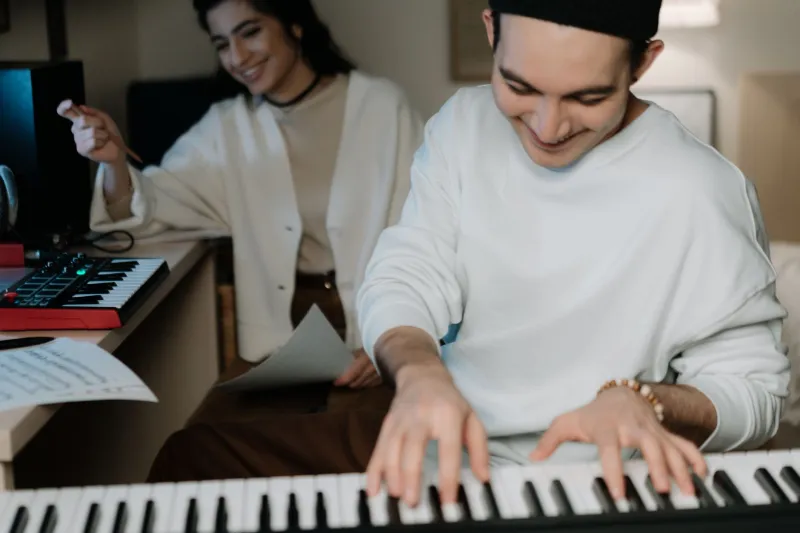
There's a version of the indie creator story that looks like a lone wolf in a basement, headphones on, the world shut out. And yeah, sometimes that's exactly what it is. But the most interesting thing happening in independent creative spaces right now isn't the solo grind — it's what happens when two or three of those solo grinders find each other and decide to make something together.
Collaboration has always been part of the creative ecosystem. The difference now is that indie artists, musicians, illustrators, and producers are doing it completely outside the old infrastructure. No A&R rep brokering a feature. No manager facilitating the intro. No label taking a cut for connecting the dots. Just two people in a Discord DM or a coffee shop in Bushwick or a shared Google Doc, figuring out how to make something neither of them could've pulled off alone.
It sounds simple. It is anything but.
The Paradox Nobody Warns You About
Here's the thing about going indie: you leave the traditional system partly because you want control. You want to own your work, set your own schedule, answer to yourself. And then — if you're doing it right — you eventually find someone whose work makes your jaw drop, and you want to make something together. Suddenly you're negotiating creative control with another human being who also went indie because they want control.
Welcome to the collaboration paradox.
The tension is real, but creators who've navigated it well say the key is getting uncomfortable conversations out of the way early. Like, embarrassingly early. Before the first file gets shared. Before anyone's laid down a single track or sketched a single panel.
"The first time I did a collab with another artist, we just... started making stuff," says one indie musician who produces under a solo project name but regularly works with other independents on releases. "We figured we'd sort out the details later. There were no details sorted out later. It got messy fast."
Messy, in this case, meant a disagreement over who owned the master recording, whose name went first on the release, and whether one person's larger social following meant they deserved a bigger cut of the revenue. None of those questions have obvious answers. That's exactly why they need to be asked before the work begins.
What the Unwritten Rules Actually Look Like
In the absence of labels and managers, indie creators are developing their own informal frameworks for partnership. They're not legally binding contracts hammered out by entertainment lawyers — though some creators do go that route — but they function as a kind of creative prenup.
The conversations that matter most tend to cluster around a few core questions:
Who owns what? If a musician contributes a beat and a vocalist writes and records the top line, who owns the master? Who owns the publishing? In the traditional industry, this stuff gets sorted by the label. In the indie world, the answer is whatever you two agreed on — which means you actually have to agree on it.
How does the money split? Revenue sharing in indie collabs varies wildly. Some creators go 50/50 regardless of perceived contribution. Others weight it based on who brought more to the project, though that calculation gets subjective fast. A growing number of indie creators are using platforms like Splits.io or building custom agreements through services that cater specifically to independent artists.
What happens if one person blows up? This is the one nobody wants to talk about. But if you drop a collab EP and six months later one of you lands a sync deal or goes viral on TikTok, the dynamics of your partnership shift. Creators who've thought through this scenario in advance are in a much better position than those who assumed everything would stay equal forever.
Finding Your People Without Selling Out to a Scene
One of the underrated skills of the modern indie creator is learning to build a creative network that doesn't become a creative cage. Scenes can be amazing incubators — the DIY music community in a city like Chicago or the indie comics underground that thrives in convention culture — but they can also calcify into cliques with their own gatekeeping dynamics.
The creators doing the most interesting collaborative work right now tend to be scene-adjacent rather than scene-defined. They pull from multiple communities. A bedroom producer might collab with a visual artist they met in an online forum, then turn around and do a split EP with a singer-songwriter from a completely different genre. The connective tissue isn't a shared aesthetic — it's a shared ethos around independence and creative ownership.
Social media gets a lot of justified criticism, but for indie creator discovery, it still works. Instagram, Bandcamp, even niche subreddits have become genuine introduction engines for creators who would never have crossed paths otherwise. The key is following the work rather than the following count. Some of the best creative partnerships happening right now started because someone left a thoughtful comment on a piece of work and the creator actually replied.
Credit Is Currency — Treat It That Way
In professional creative industries, credit is taken seriously because it has direct career implications. Your name on the right project opens doors. In indie spaces, creators sometimes get casual about credit in ways that come back to bite them.
If you mixed someone's album, your name should be on it. If you co-wrote three of the eight songs on a project, that should be documented somewhere — even if it's just in the Bandcamp credits. If a visual artist's work is central to a musician's brand, that relationship deserves acknowledgment beyond a casual Instagram tag.
This isn't just about ego. It's about building a paper trail that matters when your work starts to travel. And in the indie ecosystem, where word-of-mouth and reputation are everything, the way you handle credit — both giving it and claiming it — says a lot about what kind of collaborator you are.
The Upside Is Real
For all the complexity, the case for indie collaboration is genuinely compelling. When it works, it works in ways that the traditional industry model rarely allows. Creative decisions get made by the people actually making the art. Revenue stays with the creators. The work can be weird and specific and uncommercial in the best possible way, because there's no one in the room whose job is to sand off the edges.
Some of the most exciting projects coming out of independent creative spaces right now are collaborations — illustrated albums, multimedia zines, split releases, joint Patreon projects. The form is almost beside the point. What matters is that two or more people with real creative vision found each other, sorted out the hard stuff, and made something that neither of them would've made alone.
Going independent was never really about isolation. It was about choosing who you answer to. The best indie creators are finding out that sometimes the answer to that question is: each other.