Forget the Capes: Why Indie Comics Are Having Their Biggest Moment Ever
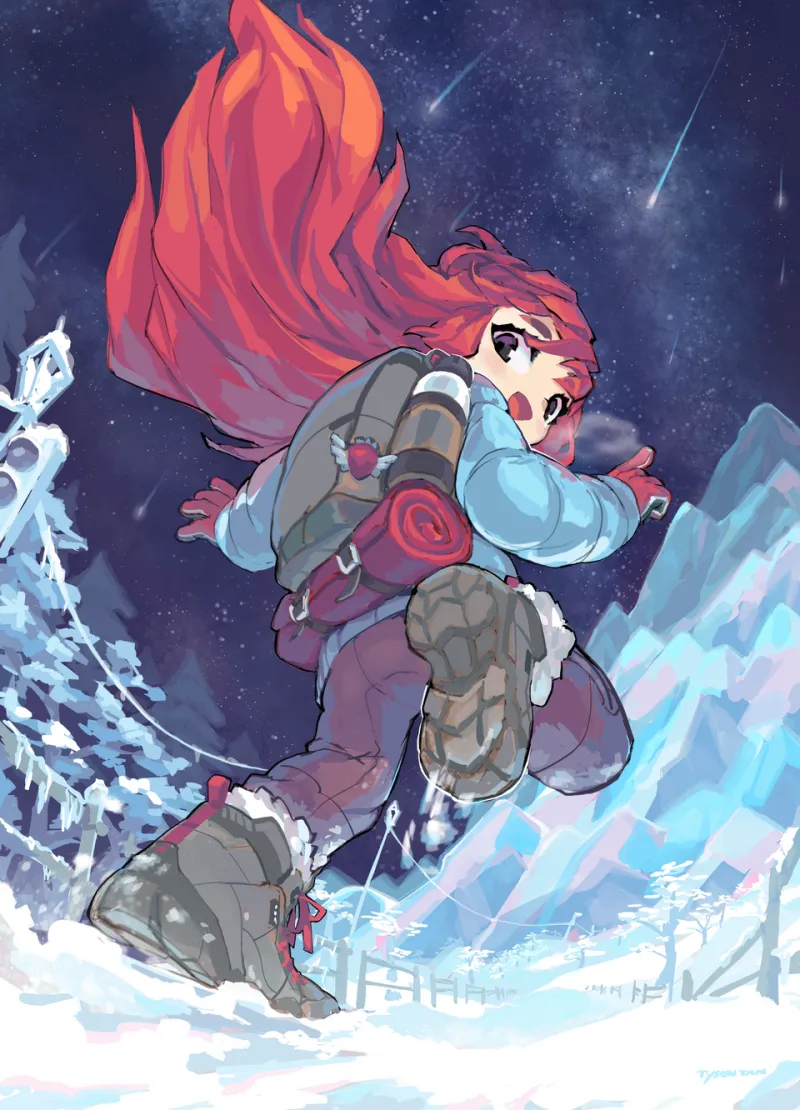
Photo: Tyson Tan, CC BY-SA 4.0, via Wikimedia Commons
Walk into a well-stocked comic shop anywhere in the US right now and pay attention to where people are actually lingering. Sure, the Marvel and DC racks are there. But the graphic novel section—the wall or the table stacked with trade paperbacks from Image, Fantagraphics, Drawn & Quarterly, and self-published creators—that's where the conversations are happening. That's where people are pulling out their phones to photograph spines and add things to their reading lists.
Independent comics are having a moment. And by most measures, it's bigger than anything the medium has seen outside of the direct-market boom of the '80s.
The Numbers Tell an Interesting Story
For years, superhero comics from the Big Two—Marvel and DC—dominated the direct market in ways that made the sales figures look almost comical. But the landscape has been quietly reshaping itself. According to data tracked by comics industry analysts, graphic novel sales in the book market (think Barnes & Noble, Amazon, and indie bookstores) have grown substantially, and that segment skews heavily toward non-superhero content.
Manga has been a massive driver of that growth, but it's pulled a lot of American readers into comics culture generally, and many of those readers are then exploring Western indie titles. Meanwhile, librarians have become some of the most influential tastemakers in the medium, and their collections lean heavily toward diverse, accessible graphic novels that would have been considered niche a decade ago.
Raina Telgemeier's work—Smile, Drama, Guts—has sold millions of copies to young readers who may never have picked up a superhero book. Those readers grow up and keep buying comics. Just not necessarily the ones with the most recognizable logos.
What Indie Comics Are Doing Differently
The straightforward answer is: telling different stories. But that's almost too simple.
Independent comics operate without the weight of decades of continuity, corporate mandates, or the need to keep a shared universe coherent. A creator at Image Comics or working through a small press doesn't have to worry about whether their story contradicts something that happened in 1987. They can just tell the story.
That freedom produces work that feels genuinely personal. Ari Eastman's vulnerability in memoir comics, the surreal political satire in books like We Live, the quiet devastation of something like Skim by Mariko Tamaki and Jillian Tamaki—these books aren't trying to be movies. They're trying to be felt.
Diversity of perspective plays a huge role too. Independent publishers and self-published creators have been far more willing to center LGBTQ+ characters, people of color, and non-Western cultural contexts than the major publishers have historically managed. Readers who see themselves in a story tend to tell other people about it.
Kickstarter Turned Self-Publishing Into a Real Business Model
One of the most significant structural changes in indie comics over the last decade has been the rise of crowdfunding as a legitimate publishing mechanism. Kickstarter, in particular, has become something close to essential infrastructure for independent comic creators.
The model works because comics fans are enthusiastic early adopters. A creator with an established audience—or even just a compelling pitch and strong art—can fund an entire print run before a single book rolls off the press. No publisher advance required. No distributor gatekeeping. No giving up rights.
Some campaigns have raised genuinely shocking amounts of money. The Exploding Kittens card game started as a Kickstarter and raised nearly $9 million. More relevant to the comics world, creator-owned projects by established artists regularly hit six figures on the platform. The audience is there, and they're willing to put money down early for work they believe in.
BackerKit has emerged as another major player in this space, and some creators run their crowdfunding campaigns there to avoid Kickstarter's fees or to access different tools. Either way, the fundamental shift is the same: creators can go directly to their readers and ask for support without needing anyone's permission.
The Shops That Are Making It Work
Independent comic shops have had to evolve to serve this changing market. The best ones have leaned into curation, building graphic novel sections that feel like a knowledgeable friend made the picks. Staff recommendations, themed displays, and social media presence have become as important as having the latest issue of whatever Marvel is pushing this week.
Shops like Floating World Comics in Portland, Challengers Comics + Conversation in Chicago, and Desert Island in Brooklyn have built reputations as destinations specifically because of how thoughtfully they stock and present independent work. These aren't just retail stores—they're cultural spaces.
Must-Read Indie Graphic Novels Right Now
If you're looking for a starting point, here are some titles that represent what's genuinely exciting in the independent space:
Something Is Killing the Children (James Tynion IV / Werther Dell'Edera, BOOM! Studios) — A horror series with genuine menace and a protagonist you'll think about long after you put it down.
Baddawi (Leila Abdelrazaq) — A quiet, devastating memoir about growing up in a Palestinian refugee camp in Lebanon. Visually stark and emotionally enormous.
A Quick Bite to Eat (Lucas Malet) — A charming slice-of-life webcomic-turned-print collection that found its audience entirely through social media.
Fence (C.S. Pacat / Johanna the Mad, BOOM! Box) — Competitive fencing, complicated relationships, and genuinely excellent sports manga energy from a Western publisher.
Laura Dean Keeps Breaking Up with Me (Mariko Tamaki / Rosemary Valero-O'Connell) — A YA graphic novel about a toxic relationship that handles its subject with real nuance and gorgeous art.
Rusty Brown (Chris Ware) — Dense, ambitious, and unlike almost anything else being published. Ware operates in his own category.
The Arab of the Future (Riad Sattouf) — A memoir series about growing up between France, Libya, and Syria that reads like nothing else in the medium.
Where This Goes Next
The infrastructure supporting independent comics keeps improving. Print-on-demand services have gotten better and cheaper, meaning small-run projects are financially viable in ways they weren't five years ago. Webtoon and Tapas have introduced comics to massive new audiences through mobile-first formats. And the readers who grew up on library graphic novels are now adults with disposable income and strong opinions about what they want to read.
Major publishers aren't going anywhere. But the conversation about what comics can be—what stories they can tell, who can tell them, and how those stories reach readers—that conversation has moved. And right now, it's happening somewhere without a cape in sight.